
In recent years, there has been a recurring narrative in the medical tourism sector: “The market is shrinking.” Falling lead counts, skyrocketing ad costs, and intense competition fuel this perception. However, the landscape we observed on the ground at the 3rd ALZ International Medical Tourism Fair in London suggests that this narrative is based on an incomplete reading of the facts.
Medical tourism isn’t ending. The rules are changing.
The UK medical tourism market, in particular, has transformed to a point where it can no longer be analyzed solely through digital performance metrics. The visitor profile and the diversity of participants at the fair reveal that demand hasn't vanished; on the contrary, it has evolved into a more conscious and selective structure.
Patient Flow from the UK to Türkiye: A Structural Necessity, Not a Passing Interest
It is no longer enough to interpret the flow of patients from the UK to Türkiye solely through price advantages. NHS congestion, long waiting lists, and accessibility issues in certain surgical branches are driving patients to seek alternative solutions. This situation stems from a systemic need, not a seasonal trend.
One of the clearest realities we observed at ALZ London 2026 was this: The UK market is not an area to be entered with a “let’s give it a try” approach. It is a market that requires strategic planning, local touchpoints, and an architecture of trust. The increasing participation from Türkiye is an indicator of this mental transformation. The UK market is no longer optional; it is positioned as a natural part of any growth strategy.
What Does Increased Competition Mean?
At the fair, we observed strong representation not only from Türkiye but also from countries like India, Greece, Croatia, and Albania. Viewed superficially, this could be interpreted as competitive pressure. However, a deeper analysis points to a different truth.
Competition is an indicator of a vibrant market. If demand were weak, global players wouldn't be on the field. The UK medical tourism market remains attractive because the patient need persists. The real issue isn't the increase in competition, but the changing nature of it.
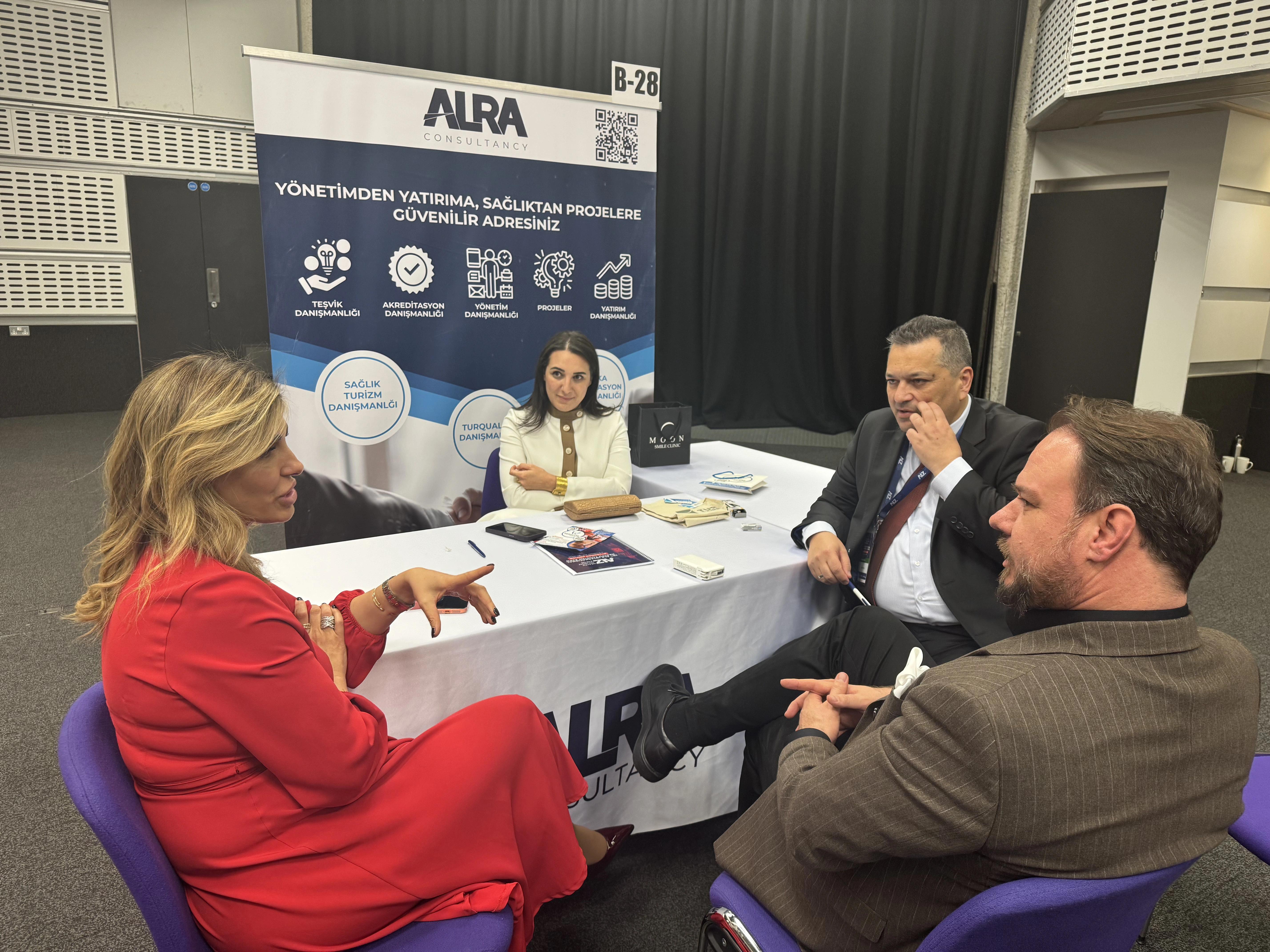
From Popular Branches Toward Real Medical Needs
Signs of saturation are beginning to emerge in popular branches such as hair transplants, dental aesthetics, and cosmetic surgery. In these areas, patient decision-making time is lengthening, and price sensitivity is increasing. In contrast, demand in surgical and medical branches is clearer and stronger. Acute health needs accelerate the patient's decision process and place the factor of trust at the center.
This represents a major turning point for the UK medical tourism market: Demand is being shaped not just by aesthetics, but by real medical requirements.
What is the UK Market Not Buying?
The UK market is no longer a structure that can be convinced by classic medical tourism rhetoric. This is not a "package" market. It is not a "discount" market. It is not a demographic that decides solely based on before/after photos.
This is a market of trust.
The fundamental question in the patient's mind is surprisingly simple: “Who will operate on me?” The doctor’s expertise, background, opportunity for face-to-face contact, and transparent communication are becoming more decisive than price advantages. Decision mechanisms are no longer shaped solely by digital ads. Sustainable growth is impossible without an architecture of trust.
Aftercare and Local Presence: The Essentials of the New Era
Medical tourism is no longer sustainable through a model that simply "sends" patients. Pre-op trust building, the operation itself, post-op follow-up, and aftercare management must be designed together. A patient coming from the UK wants to see a touchpoint in their own country after the operation. Local representation, partner clinics, and aftercare structures play a critical role here.
The patient experience is no longer trans-border; it is a multi-point process. Therefore, the UK medical tourism strategy is evolving into a hybrid model that starts with digital visibility and is completed with local integration.
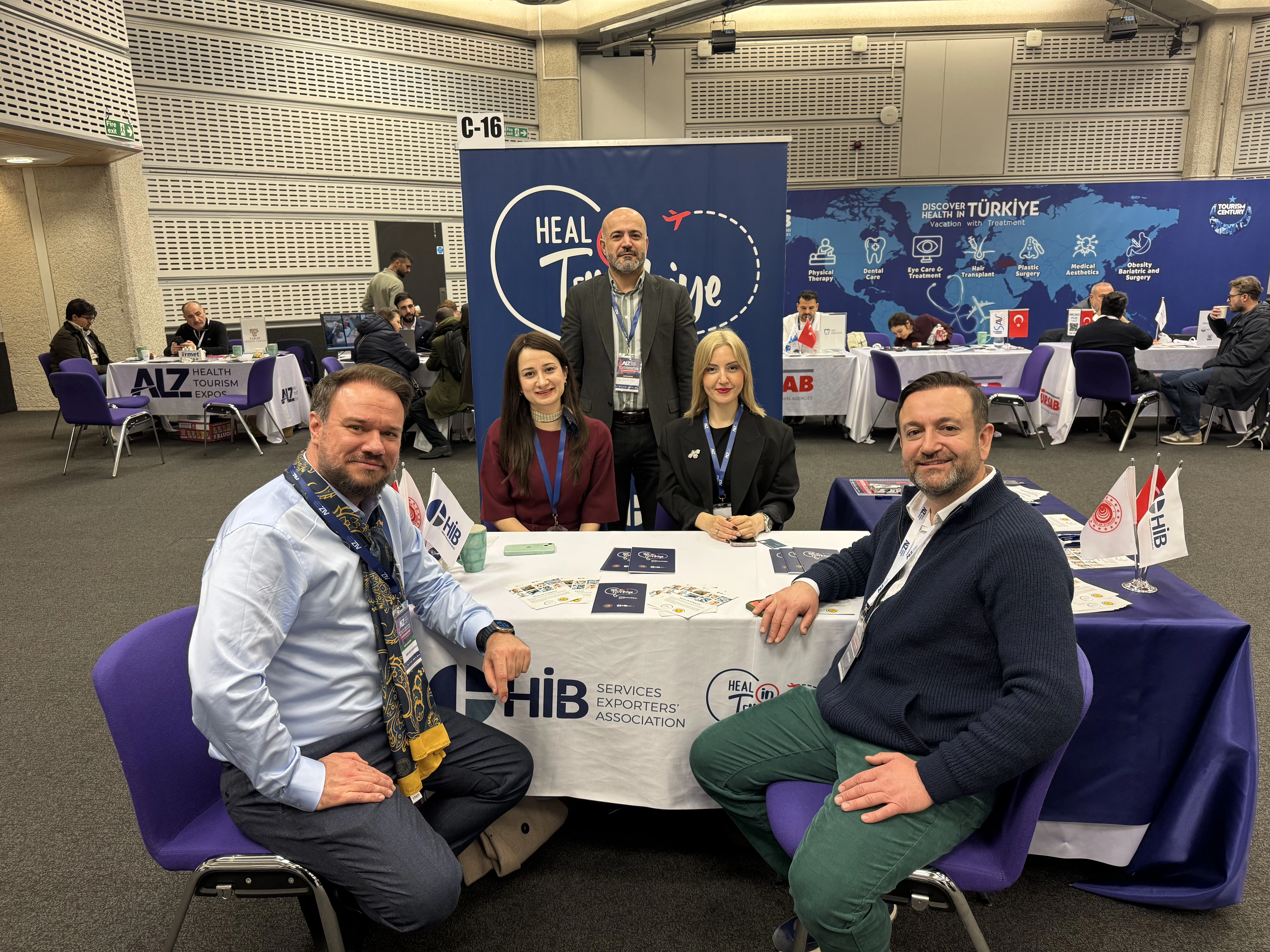
The Diaspora Factor: The Bridge of Trust
The Turkish diaspora in Europe forms an important bridge of trust for the UK medical tourism market. For many years, this potential was read only through a “treatment while on vacation” approach. However, the diaspora serves as a strategic gateway in terms of references, trust, and local networking. When designed correctly, the diaspora becomes more than just a source of patients; it becomes a structure that provides market depth.
The Equation of the New Era
Medical tourism is no longer a model that grows solely through ad budgets and lead generation. The new equation requires a more layered and strategic approach. Trust architecture, doctor visibility, local strategy, aftercare infrastructure, and market positioning must work in harmony. The UK market is not "difficult," but it is too professional to be managed with superficial strategies.
The New Health Media Perspective: Strategy Precedes Performance
Many evaluations of the UK medical tourism market are still shaped by performance metrics. Yet, field data shows us another reality: In this market, the real competition takes place over structure, not budget. The UK is a market with high regulatory sensitivity, long patient decision cycles, and a distinct trust threshold. While short-term campaigns can generate volume, permanent positioning can only be established through strategic architecture.
Today, for sustainable growth, three fundamental layers must work together:
- Digital Visibility: This doesn't just mean ad presence, but a content ecosystem that feeds the doctor's authority.
- Trust Architecture: This requires transparent communication, indicators of expertise, and a clear patient journey design.
- Local Integration: This is completed with aftercare centers, face-to-face touchpoints, and partner clinic structures.
Medical tourism no longer requires a single-center flow model; it demands a multi-layered and multi-location structure. At New Health Media, the transformation we observe on the ground clearly shows that performance-oriented approaches produce short-term results, while structures that build market architecture create lasting value.
The real question in the new era is not: “How can we run more ads?” The real question is: “How do we build a sustainable position in a market like the UK?”
Real growth is hidden in the answer to that question.




Author:
WEB PROJECT MANAGER